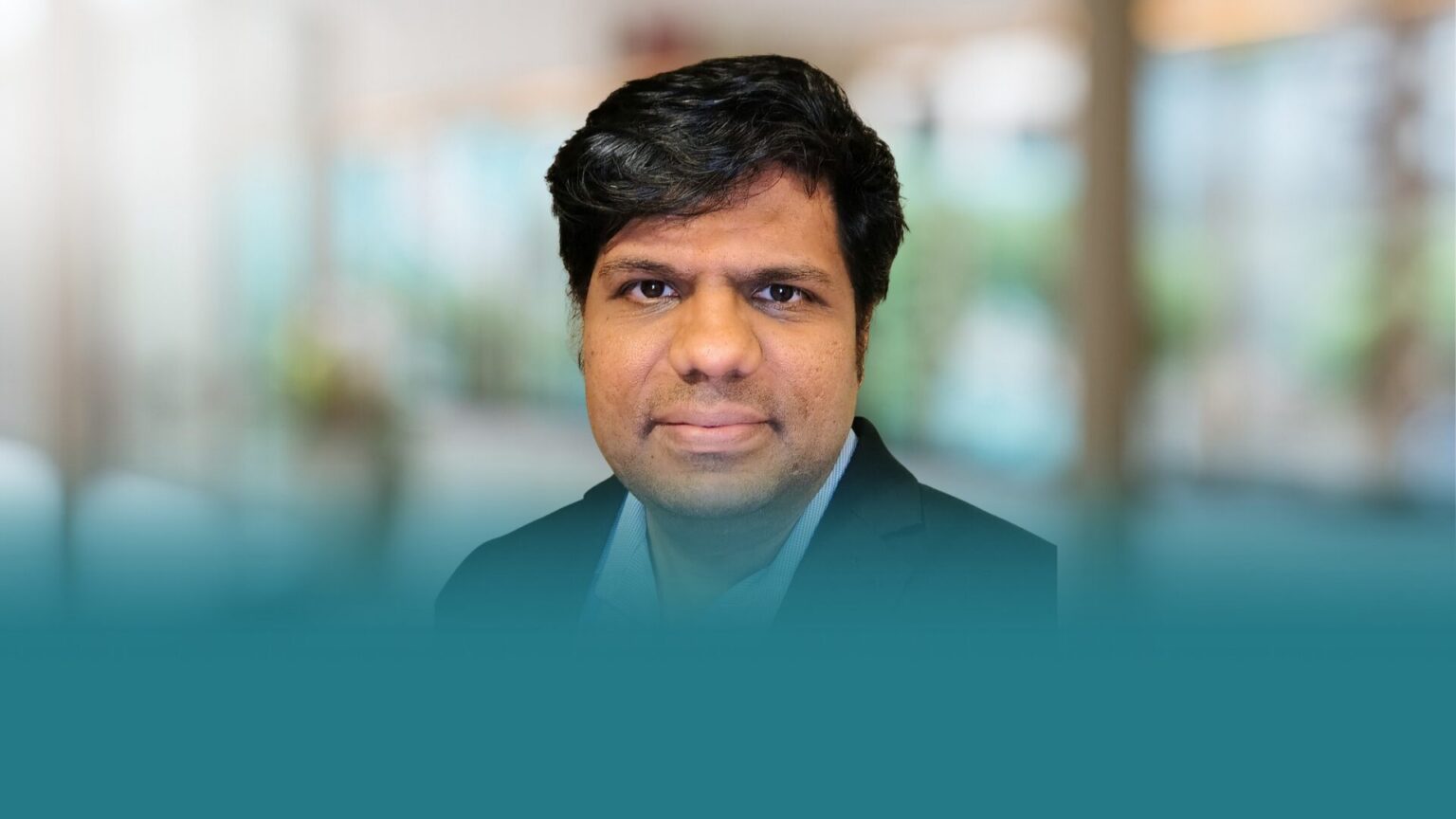
Payroll can look simple from the outside. People submit their timesheets. The system runs. Money lands in the right bank account on the right day.
But for Narayan Vishwanathan, payroll has never been just numbers, rules, or compliance. It is people. It is trust. It is late timesheets, changing legislation, different countries, anxious clients, weekend testing, and the quiet pressure of making sure something deeply personal happens correctly.
“It’s like a goalkeeper’s job,” Narayan says. “It’s a very thankless job.”
And yet, after years across India, South Africa, Australia, New Zealand and Singapore, through mining, public sector and health, Narayan still speaks about ERP with curiosity, humility and a genuine respect for the people behind the systems.
Finding His Way Into SAP
Narayan grew up in Mumbai, India, and began his career at Accenture after university. Like many graduates at the time, he entered a world full of technology pathways. Some went into Microsoft technologies. Others into Java.
Narayan found himself in SAP ABAP.
“It was a very new world for me,” he says. At university, he had mostly worked with open-source technologies. SAP felt different — new syntax, new structures, and a bigger question to understand: how does this actually go out into the real world?
Within six months, he moved into HR payroll, working on a global mining company account. It was a fast transition, but one that shaped the rest of his career.
Supported by a strong team, Narayan was able to learn by doing. He worked across SAP time and payroll, supported 13 countries, made mistakes, learned from them, and slowly built the confidence to speak with customers across different cultures and regions.
That early experience, he says, “put that bone in me” as an SAP HR and payroll functional consultant.
The Hidden Complexity of Payroll
For Narayan, one of the biggest misunderstandings about payroll is that people assume it is simple.
“They think it is very simplistic, that you get people paid on a particular day and that’s it. It’s just a build, set and forget system.”
But payroll is rarely still.
Someone submits their timesheet late. A payment needs to be handled off-cycle. Superannuation has not been accounted for yet. A rate is wrong and only discovered months after implementation. A piece of legislation changes, and suddenly the arithmetic inside the system has to catch up with the law.
“It’s where law and arithmetic come together, which doesn’t happen a lot.”
That complexity has kept him learning across countries and industries. Sometimes, lessons from South African payroll could be applied in Singapore or Australia. Each country has its own laws, but the challenges often echo one another.
For Narayan, that constant learning keeps him grounded.
“You always keep learning, and that kind of has the humility built in as well. Because you know that it’s just one error away from being completely slammed.”
Learning to Work Across Cultures
A major turning point came in 2014, when Narayan moved to South Africa. It was the first time he had lived away from India for more than a year.
The weather was different. The infrastructure was different. The safety concerns were real. He did not even know how to drive at the time, in a country where driving was almost essential.
But he took the leap.
“Unless I take the leap, I’m never going to know better.”
Within a few months, working with people from different backgrounds gave him a lasting confidence. He realised that most people are not trying to make life difficult. They want to get the work done. They want clarity. They want respect.
That experience shaped how he collaborates today: be respectful, stay in your lane, avoid unnecessary tension, and be clear when it is time to talk about the work.
Leadership as Shepherding
As Narayan moved from consultant into lead roles, leadership did not arrive as a sudden title. He was supported into it by the people and ecosystems around him.
That has shaped how he now supports others.
For Narayan, leadership is not about knowing everything in every meeting. It is about knowing when to step back, abstract the discussion, park the right questions, and come back with clarity. It is about enabling people with the right documents, links and context, rather than spoon-feeding every detail.
Most of all, it is about empathy.
When clients are frustrated, Narayan tries to see the bigger picture. Behind the frustration may be investment, effort, testing, weekend work, and the pressure of getting a solution right.
“You’re not only leading your team. You have to lead the client, the customer, to the correct solution.”
He pauses, then adds a word that feels very Narayan.
“It’s like shepherding.”
Grounded, humble, and quietly steady.
The Person Outside the System
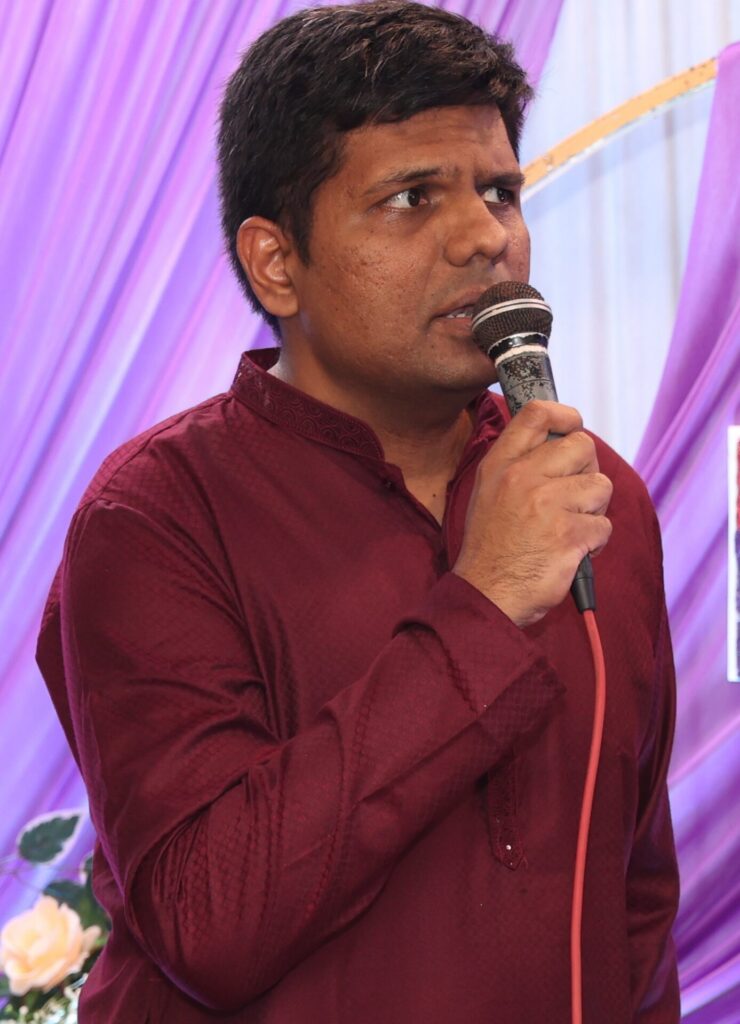
Away from work, Narayan is an amateur vocalist. He plays cricket with friends. He is also the father of a three-year-old daughter, which means life outside ERP is full, busy and often delightfully chaotic.
He loves watching films and series from different cultures and languages, and he has a long-standing curiosity about the world. In fact, he says he can still name the capital of every country.
Travel, for Narayan, is not just about landmarks. He wants to understand how people live.
When he visits a place, he pays attention to the ordinary details. What does Singapore feel like on a Wednesday afternoon at lunchtime? What colours appear on the street? What songs are playing on the radio? What local commercials are people hearing?
He is interested in the rhythm of real life, not just the postcard version.
That curiosity also connects to one of his proudest personal achievements: settling in Australia in 2017.
Having family members who had studied or worked overseas, Narayan always carried a quiet desire to travel, experience the world, and build a life abroad. Australia became that place.
Sharing Knowledge Without Fear
For those starting out in ERP, Narayan’s advice is simple: do not be afraid to make mistakes.
He has seen people avoid difficult paths because they are unsure who will support them if they get something wrong. But growth, he believes, comes from trying, learning and being open enough to ask.
He also believes deeply in knowledge sharing.
Some consultants fear that sharing knowledge will reduce their value. Narayan sees the opposite.
“If you’re able to share more, even with the client, it’s not that your job is going to be made redundant in the future,” he says. “They’ll learn more and they’ll keep on asking more questions.”
In other words, generosity expands the work. It builds trust. It brings others along.
A Human-Led Future
As ERP and SuccessFactors move further into the AI era, Narayan is optimistic, but clear-eyed.
He sees AI as useful for taking away menial, repetitive work. He has already used tools like Copilot for Excel analysis, complex pivots, lookups and PowerPoint support.
But he does not believe AI should replace the human layer.
“It has to be in coexistence with humans, and it can’t replace humans.”
For Narayan, technology works best when it serves people. And perhaps that is the thread running through his whole story: systems matter, but people matter more.
The payroll must run. The solution must work. The data must be right.
But behind every process is a person waiting to be paid, a team trying to deliver, a client carrying pressure, and a consultant learning to stay humble enough to keep getting better.
Connect with Narayan on LinkedIn