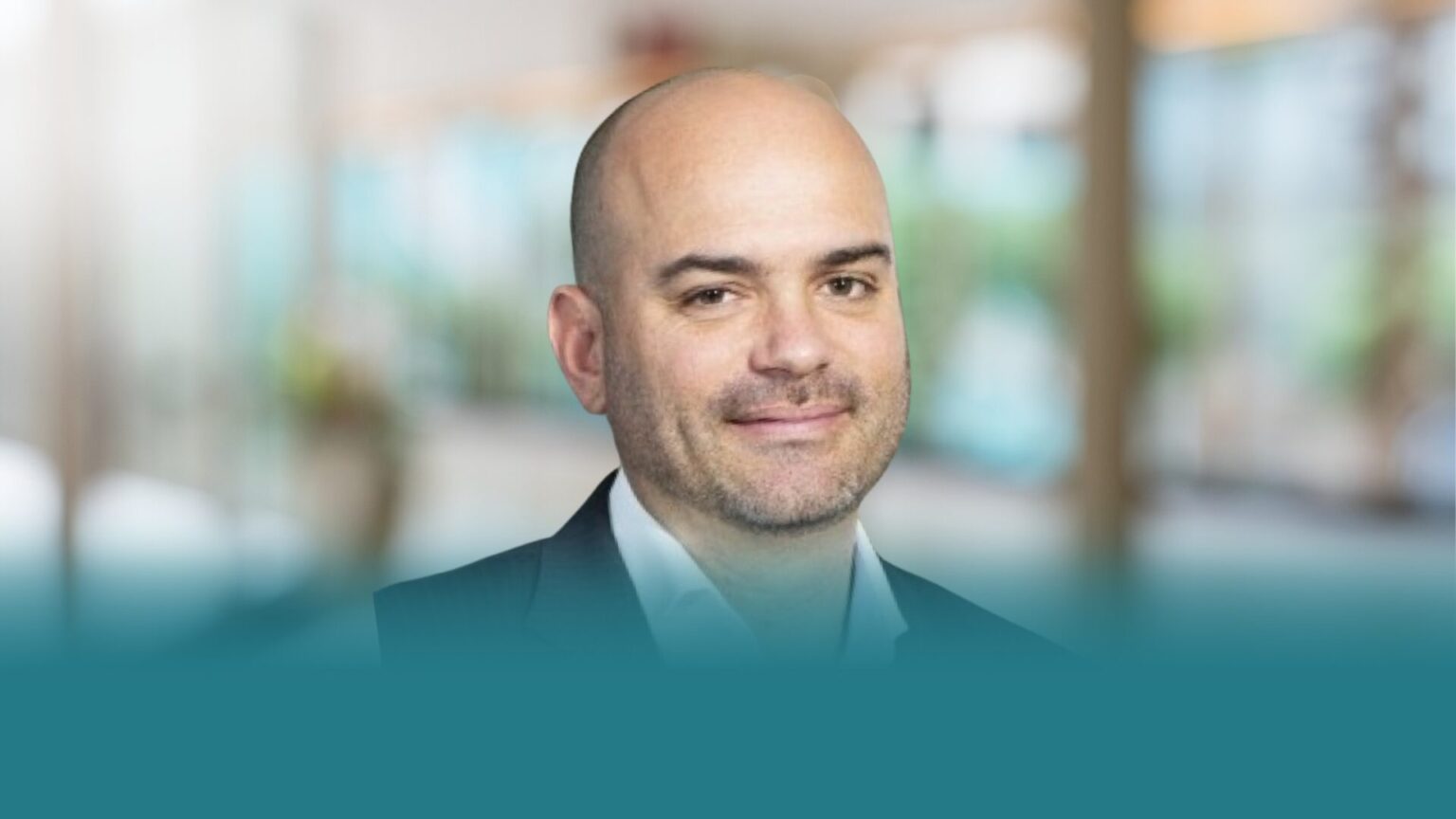
Some leaders measure success by go-live dates. For Keagen Georgiou, success is about what’s left behind: teams who can deliver, systems they can trust, and a culture that feels stronger for having gone through the change together.
From Numbers to the Business of People
Keagen grew up in South Africa, inspired by his father, who was a trained accountant who had moved into running multiple businesses. After finishing school, he moved to Australia at 18, studied on the Gold Coast, and qualified as a chartered accountant. Early roles in London investment banks gave him a first taste of corporate life, but it was back home in Australia where his career truly began to take shape.
When he joined QSuper (which later became Australian Retirement Trust), he found his stride in finance business partnering. It was work that went beyond historical numbers and looked instead at where the organisation was headed.
“I’ve always been more interested in the business side of things,” he explains. “Supporting boards and executives while keeping a clear line of sight to the people who deliver the outcomes.”
The Merger That Rewired a Culture
When QSuper and Sunsuper merged, Keagen was given the opportunity to lead the integration of the two finance ERPs. One system was on-premise, the other in the cloud. Each had different ledgers, different teams, and different ways of working.
While the leadership group were focused on bringing together the business-as-usual teams and governance, Keagen saw an opportunity to take ownership of the strategic integration work and ensure the merger reflected not just systems alignment, but people alignment, too.
Inside the process—simplifying account structures, reworking AP functions, reconciling data models—Keagen noticed something deeper.
“People tend to make careers out of processes,” he reflects, and that was the same for both organisations.
Changing or integrating those processes isn’t just technical; it can be deeply personal. Workshops became critical to allow both sides to explain why they worked the way they did and how to find a middle ground.
This engagement did more than just explain the details, it created bonds between like-minded individuals that set the foundation for the culture of the team beyond the project. It was a demanding project, but by the end, the processes that the project implemented had built more than a shared system.
They had built trust.
“It wasn’t a perfect implementation,” Keagen admits, “but everyone was proud of how we got there. By the time we finished, we were genuinely operating as one team.”
Putting BAU at the Centre
Keagen has led both business-as-usual (BAU) and project teams, and he sees a crucial distinction between them. Project teams are often filled with action orientated personalities, focused on short-term delivery. BAU teams, on the other hand, are dedicated and consistent performers, who have to live and own the systems long after the project has ended.
His philosophy is simple:
“It’s those people on the ground that have to live this after you’ve left.”
That’s why it’s vital to have strong representation from BAU inside every project. The work must be purposeful, aligned to ongoing needs, and supported by clear, authentic communication.
“Change management is all about openness and honesty. When people feel heard, they’re more willing to speak up early, which means fewer surprises later.”
A Pause That Widened the Circle
After finishing up at Australian Retirement Trust, Keagen took a deliberate career break. It gave him the space to reconnect with people he hadn’t spoken to in years and reminded him how generous the professional community can be.
“It was amazing how many people are willing to help if you are willing to engage,” he says.
Through those conversations, he found not only a new role as Head of Financial Planning and Advice at WorkCover QLD, but also a renewed sense of purpose.
That time away helped him realise that his experience and leadership style could genuinely help others navigate change. It also reinforced that careers aren’t just about progression—they’re about connection.
Life Outside the Ledger
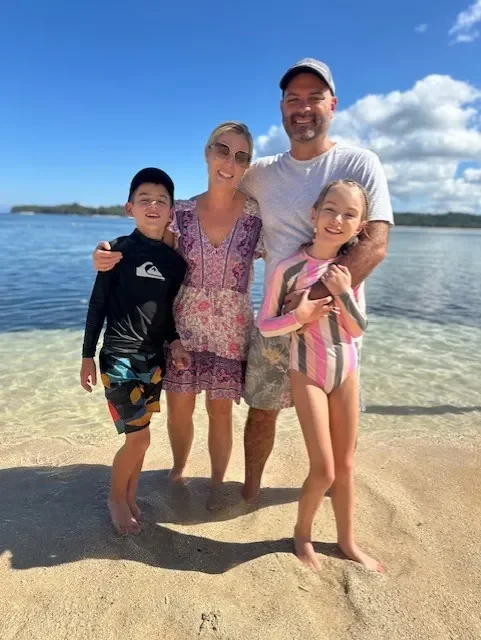
Leadership takes energy, and Keagen is intentional about how he restores his. Family comes first. He and his wife have built a rhythm that allows both to thrive, supported by their two young children and a close extended family.
If his life were a Netflix series, it would be Trigger Point. “We’re constantly putting out fires and solving potential problems,” he laughs. “Jason Statham would have to play me—we have the same hairstyle.”
Paying It Forward
Today, Keagen focuses on sharing what he’s learned. He doesn’t claim to be an ERP expert, but he knows the power of bringing the business perspective into every project. His advice to anyone new to the field is simple: engage with the people who will live the change every day.
“Make sure they understand what’s happening. They are your number one stakeholders. The real measure of success is whether they can deliver value with what has been built and feel proud of it.”
For Keagen, technology only matters if it enables people to do their best work—and to feel connected to the system, the culture, and each other.
Connect with Keagen on LinkedIn