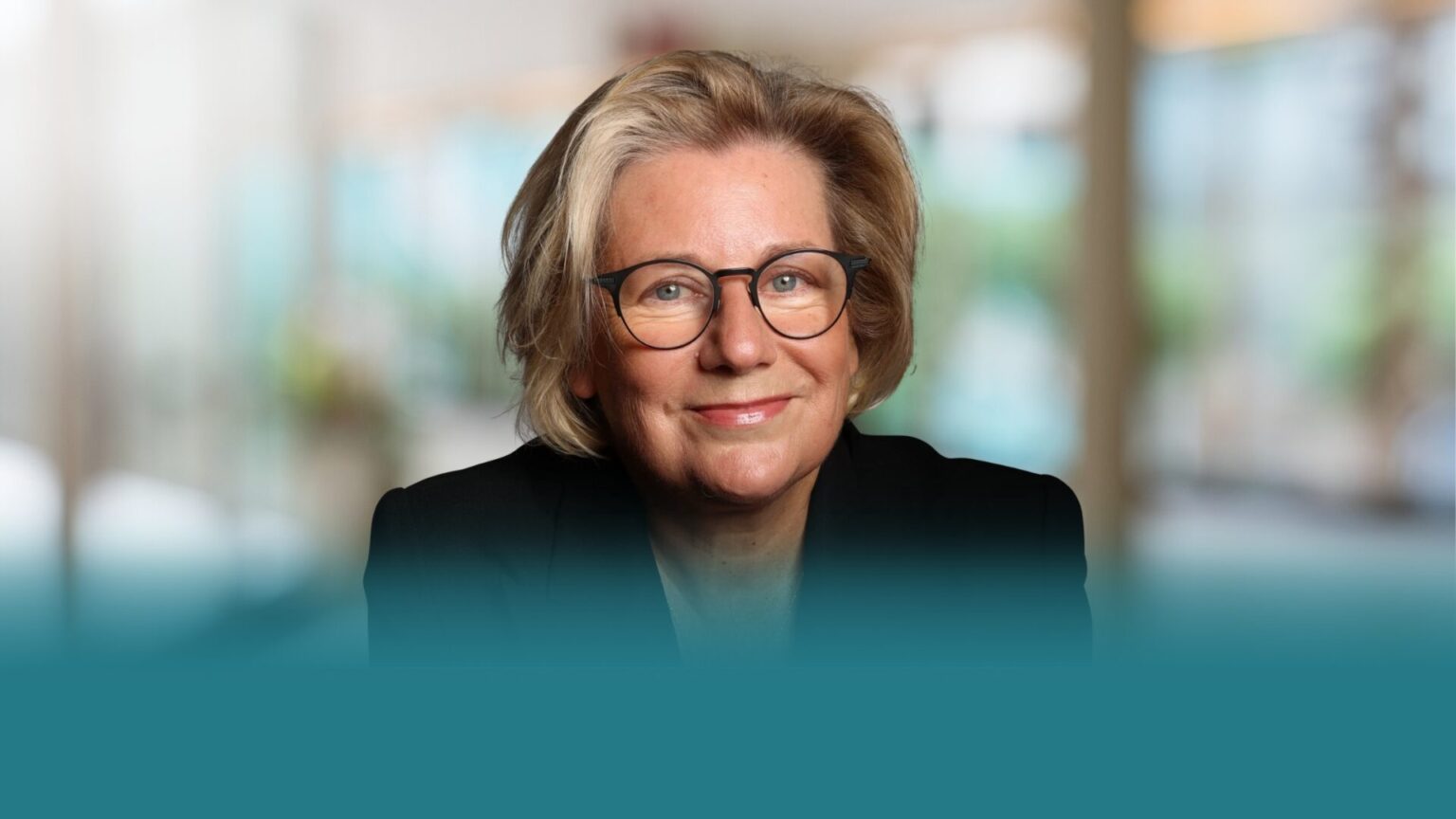
Karen describes herself as German by birth and global by experience. It shows.
Over the past 25 years, she has led across Europe, Asia Pacific, and Australia, working at the intersection of enterprise technology, government, security, and defence. Her career has taken her into boardrooms, cabinet level briefings, delivery war rooms, and project sites.
Different rooms. Same approach. Arrive. Listen. Add value. Stay centred.
Moving countries does not just change your address. It tests your identity and your judgement. You learn quickly whether you can lead without the comfort of familiarity. For Karen, that learning started when she left SAP’s headquarters in Walldorf and stepped into regional leadership roles across Asia Pacific and Australia.
Leaving the Safe Haven
Karen does not romanticise relocation. There is distance from family. Loneliness. The sense of starting again from zero. But there is also growth. “Moving across countries forces you to be flexible and culturally aware,” she says.
Not surface-level awareness. Real awareness. The kind that stops you assuming your home market playbook will work everywhere else. She also learned to temper what she calls her “strong German process mentality”. Process matters. So do people. Especially when you are leading diverse, cross-functional teams across regions. Adaptability became a leadership skill, not a compromise.
Singapore: The Leap
Karen moved to Singapore on 1 January 2006 for a regional leadership role covering Asia Pacific. It was fast and demanding. High expectations. Complex stakeholders. At the time, female leaders in enterprise technology in the Asia Pacfic region were still rare.
The environment forced her to level up quickly. Bigger markets. Larger teams. Greater accountability. It also gave her something unexpected: community. Living alongside other expats and building friendships across cultures taught her how to create connection anywhere. A skill that would later prove critical when leading customers and partners across multiple countries.
Would she do it again? “No regrets. Absolutely.”
Sydney: Choosing the Long Way Around
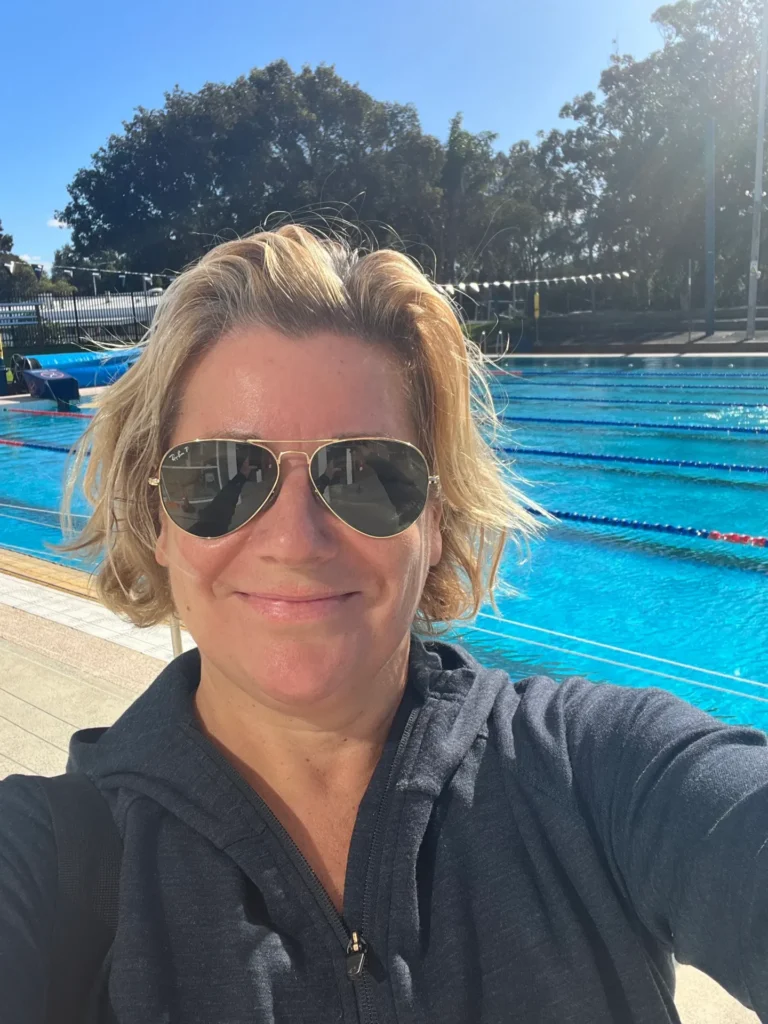
After Singapore, Karen had a guaranteed return to SAP SE HQ in Germany. On paper, it was the obvious move. Instead, she chose Sydney. She saw opportunity. A growing ecosystem. A chance to build something locally rather than step back into an established machine. So she stayed.
It meant trading predictability for ownership. Less safety. More responsibility. It was also the moment she realised you do not need a safe haven when you trust yourself to operate anywhere.
Mentorship and Teams
Karen grew up in a sporty family. Rowing, skiing, tennis. Team sports shaped how she thinks about leadership. You do not win alone. You win together. That mindset carried into her career. Coaching, mentoring, and lifting others has always been central to how she leads. Not as a side activity, but as part of building stronger teams and better outcomes. She also believes in reverse mentoring.
“It doesn’t matter if someone is 25 or 50. You can learn from anyone.”
The Mentee Who Changed Her
One experience stayed with her. Karen mentored a high-potential sales graduate while she was Chief Customer Officer at SAP Australia. She backed her, promoted her, and organised an international exchange. Then one day, the graduate took her to lunch and resigned.
Not because of Karen, but because she did not feel supported by the broader culture. It hurt. Karen realised something important. Opening doors is not enough. You have to listen. “I thought I was helping. I probably didn’t listen enough,” she says. It is the kind of lesson many leaders avoid. Karen owns it. And she changed how she leads because of it.
Technology Is About People. Always Has Been.
For Karen, the “human side of technology” is not a new trend. It has always been the job. Across supply chain, public sector, and defence programs, she has seen the same pattern. Projects succeed when people trust each other and understand the outcome. They fail when technology is treated as the answer on its own.
“People and processes determine whether any IT project succeeds. Without people, nothing works.”
Her view on AI is equally pragmatic. AI should be a helpful assistant that makes people better at their jobs. But security and data protection must stay front of mind, especially in government and defence where trust is non negotiable.
Advice for Newcomers
Her advice for anyone entering ERP or enterprise technology is simple. Ask for help. Find mentors. Learn how to communicate. Technical knowledge gets you in the room. Conversation and storytelling make people remember you.
“If you can’t talk to people, you end up reading slides. That’s not leadership.”
What She Hopes People Remember
Titles come and go. Karen hopes people remember her as loyal, authentic, and accountable. Someone who builds trust quickly, skips unnecessary hierarchy, and makes space for others to succeed. Then she sums up her philosophy with a line she has lived by for years:
“You should feel confident driving any car you’re given. Boardroom or workshop, it doesn’t matter. Stay centred. Back yourself.”
Confidence, for her, is not something you inherit. It is something you build, one new environment at a time.
Connect with Karen on LinkedIn