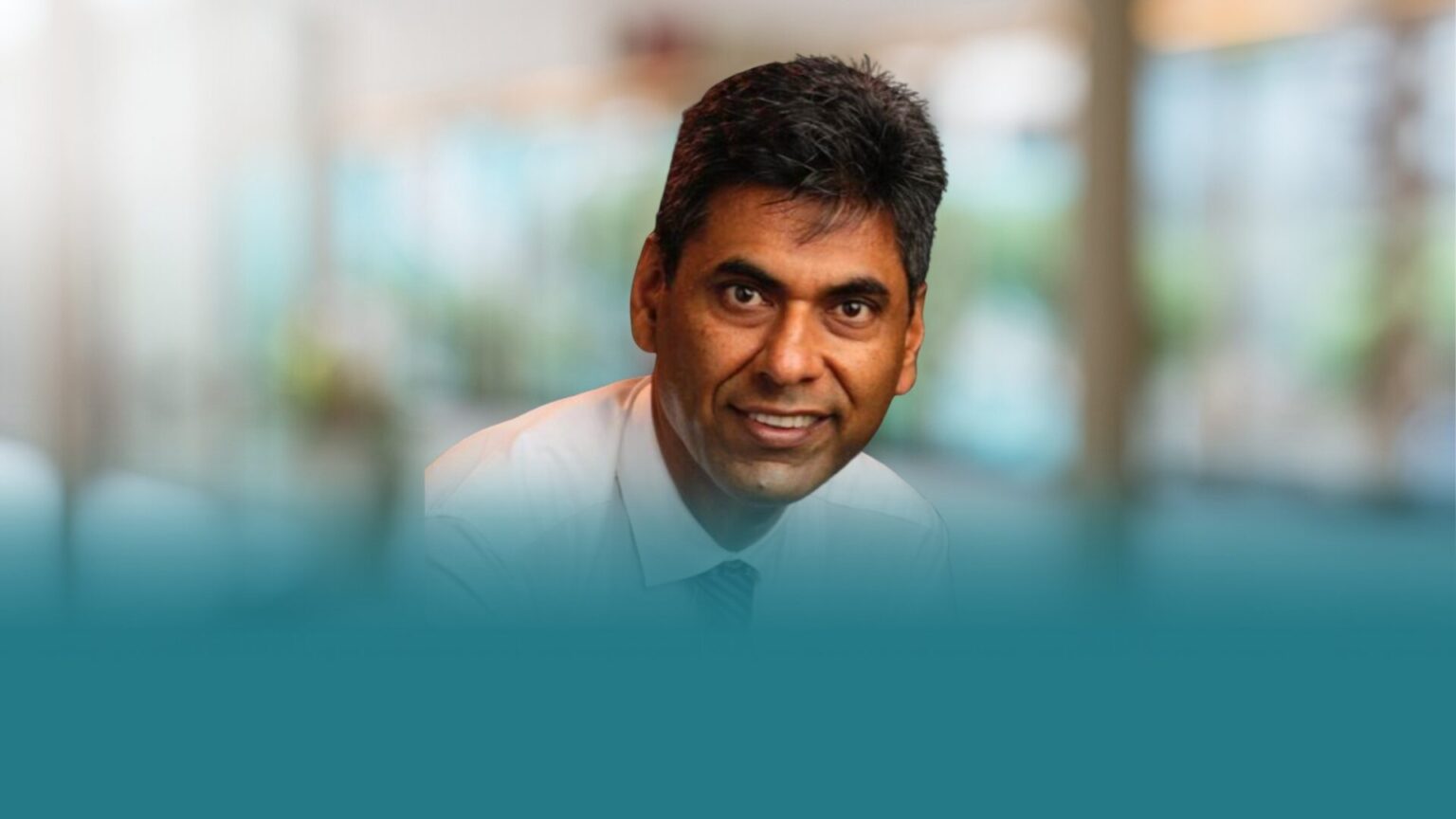
There are moments in life where everything feels uncertain. Not broken. Not wrong. Just… not quite aligned. For Sameer Vij, that feeling stayed with him for eight years.
From Operating Rooms to ERP
Before SAP, before consulting, before global transformations—there was healthcare. Sameer spent nearly a decade in operating rooms, assisting doctors through complex surgeries. Kidney transplants, tumour removals, procedures where precision wasn’t optional—it was everything.
But what stayed with him wasn’t just the surgeries. It was what happened behind the scenes—the systems, the inventory, the invisible orchestration that made those life-saving moments possible. “You don’t know what instruments will be needed,” he reflects. “So everything has to be available… even if only 10% gets used.”
That curiosity about processes—not just outcomes—quietly planted the seed for what would come next.
When the Door Finally Opens
Eight years after graduating, Sameer got his break into IT. IBM was hiring people not just for technical skills, but for business understanding—and suddenly, everything he had lived through started to make sense.
Even more serendipitous, his first project brought him back to where it all began: Johnson & Johnson. But this time, he wasn’t in the operating room. He was shaping the systems behind it.
Learning in the Middle of Chaos
Those early SAP years weren’t easy. Sameer describes himself as “trying to swim in choppy waters”—learning processes, architecture, and how to create value, all while the world was navigating the 2008 financial crisis.
It was a time when every dollar mattered. And that’s where he learned something foundational: value isn’t a buzzword—it’s survival.
Choosing the Hard Turns
Twice in his career, Sameer made what he calls “radical” decisions. The first was leaving healthcare for IT. The second was stepping away from consulting into solutioning, architecture, and sales—not for a title, but for energy. “Let me explore something which gives me the energy to continue in my job for the next one decade.”
That decision shaped the next 15 years of his career.
What Trust Really Means
In a world obsessed with relationships, Sameer offers a grounded perspective.
“The trust is not built over a cup of coffee… the trust is built based on your acumen to understand the business problems.”
For him, trust lives in the work. It’s understanding the problem deeply, bringing the right people together, being honest when the answer isn’t perfect, and committing to getting it right together.
The Break That Changed Everything
Not every chapter moves forward. At one point, Sameer found himself in a role that didn’t align with who he was—so he stepped away.
In that pause, something shifted. “I discovered my strengths… and I also discovered my weaknesses.”
He realised he wasn’t built for fragmented work. He needed the bigger picture, the full transformation, the human connection. That clarity brought him back stronger—and more certain.
The Human Side of Transformation
Ask Sameer about ERP, and he won’t start with systems—he’ll start with people. Because behind every transformation are real humans, often overlooked.
He recalls field engineers in their 50s and 60s moving from manual processes to modern ERP systems. “They are not 20-year-olds… they are not very tech savvy.”
And yet, they’re expected to adapt overnight. That’s where many transformations fail. Not because of technology—but because of empathy.
“You have to do baby steps… the people aspect is sometimes lost in translation.”
Redefining Success
Over time, Sameer’s definition of success has shifted. It’s no longer about titles, salary, or how many countries he’s worked in. “Success is not on title… it is all about how many customer meetings I have in a week.”
Because those conversations signal something deeper—trust, value, and relevance. If customers keep coming back, it means you’re making a difference.
Staying Grounded
In a high-pressure world, Sameer has learned to slow down. Yoga, exploring new cafés, and carving out a few hours each day for himself and his family help him reset—so he can show up fully the next day.
A Final Thought
If there’s one piece of advice he offers, it’s simple: never stop learning.
“Learn, relearn, unlearn.”
Because in a world that keeps changing, the only real advantage is your willingness to grow.
Connect with Sameer on LinkedIn