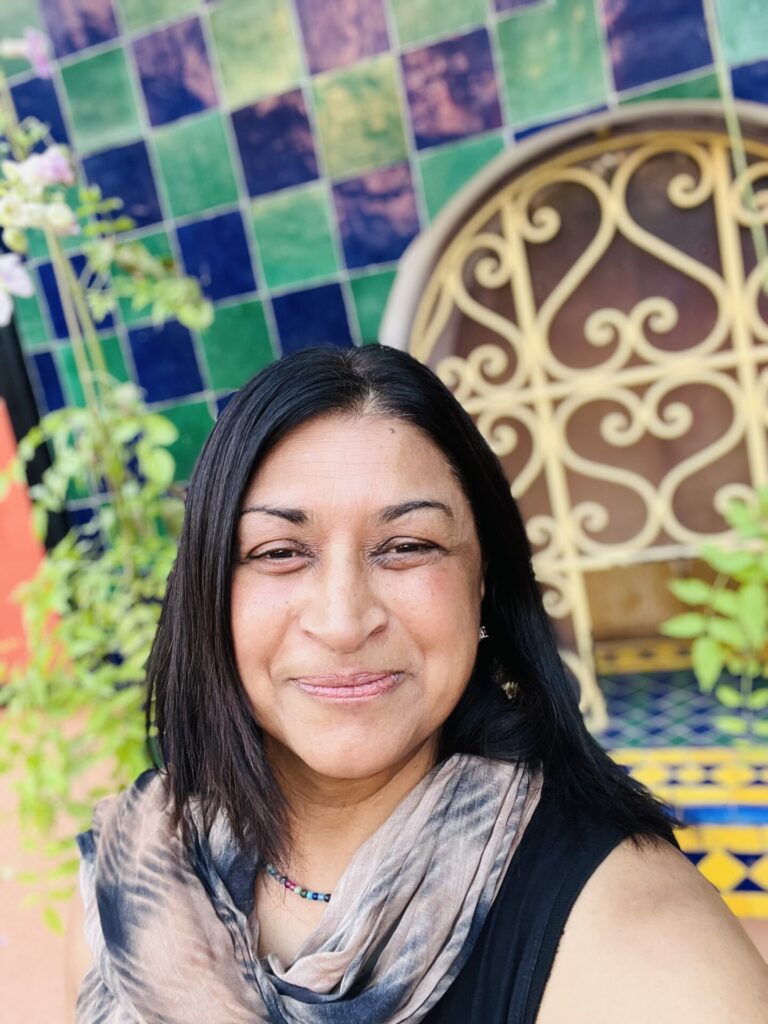
Allison Arandez didn’t set out to build a career in HR technology. Like so many of the best stories, it started with a nudge.
A new payroll system needed implementing. It was added to her job. And somewhere between the spreadsheets and the system screens, Allison discovered something important about herself: she didn’t just like the work — she liked what the work changed. Because when you’re working in payroll and HR systems, you’re never really “just” implementing software. You’re shaping how people get paid, supported, managed, and seen.
The Accidental Beginning That Turned Into a Calling
Allison studied a Bachelor of Business in Accounting and began her career in Accounting and Finance. But the pivot came early — and almost casually.
A boss handed her a payroll system project, and suddenly she was standing in a new world: one where technology met people, process, and pressure. And it clicked. “I did kind of fall into it,” she says, “but then I realised I actually enjoyed doing payroll and implementing systems… it kind of felt a natural fit for me.”
That “fit” wasn’t just because she understood numbers. It was because she understood the business behind them — and she asked the kinds of questions that make organisations stop and reflect.
When You Realise It’s Never Just the System
At some point, every great ERP or HR tech practitioner reaches the same turning point. You stop thinking, What system are we deploying? And start thinking, What are we solving? For Allison, that shift came from leaning into conversations with leaders — not to impress them, but to understand them.
“It’s not just about the systems,” she explains. “You really have to understand the business and how the business operates.” And then the line that should be tattooed on every implementation plan:
“It’s not just a case of ‘let’s just put a system in’ — it’s ‘let’s understand what problem we’re trying to solve.’”
That mindset followed her as she moved through large organisations, HR systems teams, and eventually across both the vendor and integrator sides of the industry. On the client side, she saw the challenges up close — the internal pressures, the expectations, the operational realities.
On the vendor side, she gained a new appreciation for the effort and passion behind building products. Together, those perspectives gave her something many professionals never fully experience: a complete view of the ecosystem.
Japan: The Chapter That Changed Everything
Then came Japan — and a moment that quietly rewrote the next chapter of her life. Allison in her role as a Regional Leader in the Asia Pacific, was working for a US company and was tasked with helping introduce agile ways of working to their Japan subsidiary.
Doing it remotely wasn’t landing. So she made a suggestion that says a lot about her leadership style: Instead of pushing harder from afar, she would show up. She offered to move to Japan and work directly with the team.
What she discovered wasn’t resistance — it was difference. Language, culture, hierarchy, and learning styles all shaped how the team approached change. Agile empowerment, for example, looked very different in a workplace accustomed to structured guidance. So Allison did something many leaders struggle to do. She unlearned.
“I had to keep a complete open mind when I went to Japan,” she says. “What I had to unlearn was… to be a bit more humble.”
Rather than arriving with a fixed plan, she began with questions: How do you want to learn? What works best for your team? What pace feels right?
That year — spanning 2019 into 2020 — became more than a professional assignment. It was a cultural immersion and a deeply human experience. “They absolutely embraced the opportunity of me being there,” she recalls. “They brought me into their culture and their office… it was amazing.”
It also sparked a new passion: helping global teams collaborate more effectively across cultures.
Why She Founded Shin Jidai (And Why Now)
When Allison returned from Japan, the idea for her own consultancy began to take shape. She even created the business name — Shin Jidai, meaning New Era — inspired by her time there. But like many founders, she didn’t leap immediately.
Over the following years, however, something shifted. After decades in the industry, she began to feel the pull to do something different — something more aligned with her values. And eventually she reached a moment of clarity.
“If I don’t do it now. I’m not going to do it in 10 years’ time.”
So she stepped forward.
Today, Shin Jidai brings together two passions that have shaped her career. The first is helping small-to-medium businesses navigate HR technology decisions — starting with the foundations.
- Why do you need a system?
- What problem are you solving?
- What does success actually look like?
Instead of pushing a specific product, Allison focuses on helping organisations clarify their needs and priorities first.
The second pillar is mentoring and coaching women in IT, particularly those early in their careers or working in offshore teams. Because through years of hiring and building teams across countries like India, Malaysia, and the Philippines, Allison saw something powerful. The technical capability was there. But confidence — and the opportunity to step forward — sometimes needed nurturing.
The Confidence Dip That Became Her Catalyst
Allison’s advocacy for women in technology comes from lived experience. Like many women, she experienced a period in her career where family responsibilities and professional growth collided. “For about ten years… I just got stuck,” she says. “And then you lose confidence in yourself.”
What changed her trajectory wasn’t a dramatic turning point — it was someone believing in her. A mentor who looked at her experience and said: You can do this. “He really took a risk in putting me in a role,” she explains. “And that made me realise sometimes someone just needs to take a chance on you.”
Now she wants to be that person for others. Because she also believes something many people overlook when thinking about technology careers: You don’t have to be deeply technical.
“My strength is understanding what the business need is and translating that between the business and technical teams.”
And that role — the translator between business and technology — is one of the most valuable in the entire ecosystem.
The Advice She Wants Every Woman To Hear
When asked what advice she would give women entering IT or HR technology, Allison keeps it practical. Find a mentor. Put your hand up for projects. Join professional communities and forums. Stay curious about what’s happening in the technology space. And sometimes, she adds, progress means taking a step back in order to move forward.
She herself once accepted a role with a lower salary because it opened the door to new opportunities. But the most important advice she offers is simple:
“Speak up and ask for what you want… the worst that someone can say is no, or not now.”
What She Hopes Shin Jidai Leaves Behind
When Allison looks ten years into the future, success isn’t defined only by revenue or growth. It’s defined by impact. “I would love work to be about giving people opportunity and confidence,” she says.
Opportunity to step into roles they might never have imagined. Confidence to believe they belong there. And perhaps most importantly — a reminder for the next generation of professionals: Don’t limit yourself. Take risks. Chip away at the opportunities in front of you.
Because sometimes the biggest transformations begin the same way Allison’s did — with a small step into something unexpected.
Connect with Allison on LinkedIn