


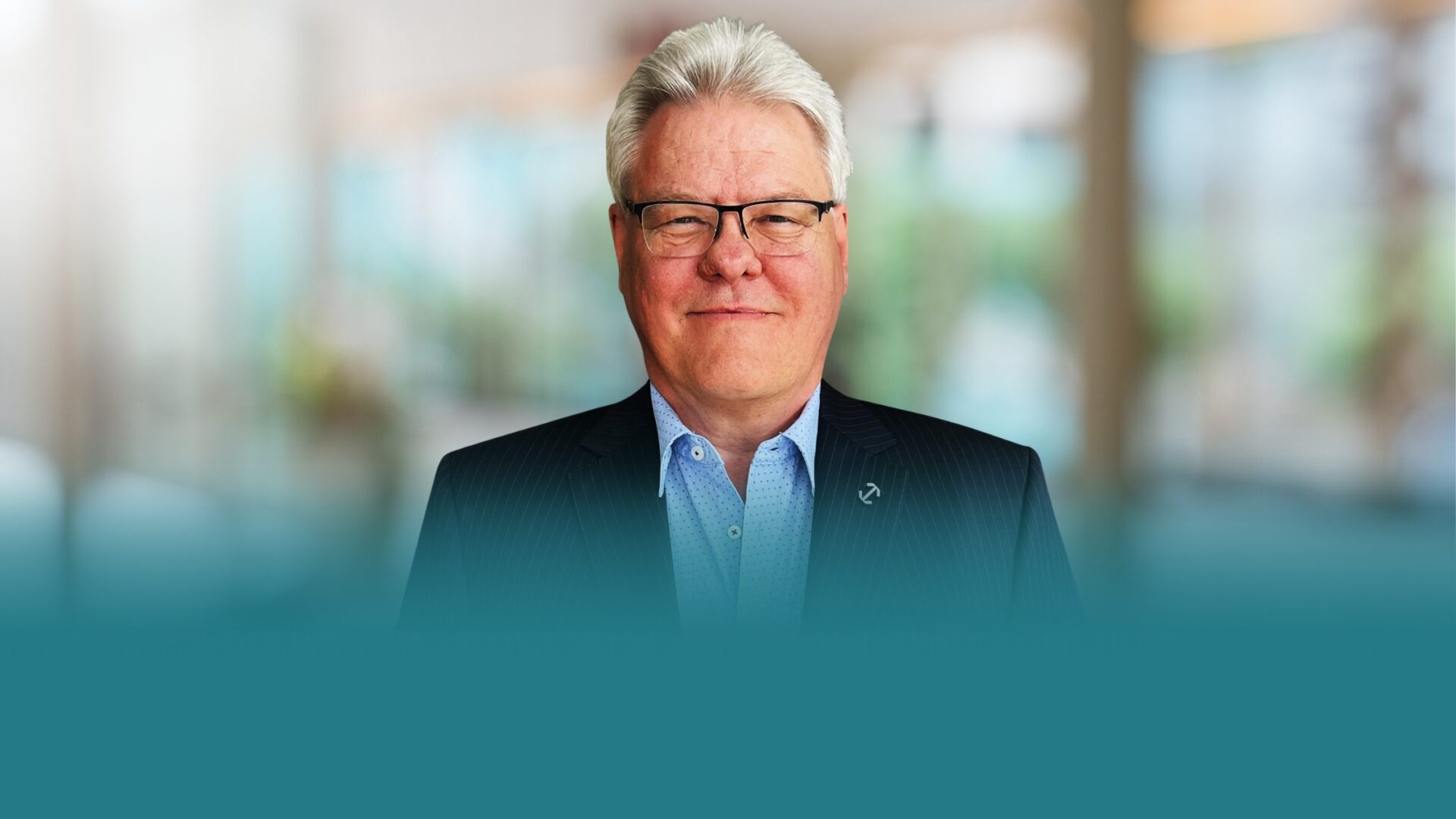
There are moments in life when a single decision quietly shapes everything that follows.
For David Ogilvie, one of those moments came when he walked away from an ERP project with no safety net, no pipeline, and no guarantee that work would come next.
At the time, he didn’t know that decision would eventually leave him with just $600 to his name — but it would reinforce something he believes deeply today: values matter more than opportunity.
From Family Business to Technology Curiosity
David didn’t begin his career in consulting. He grew up in and eventually helped run a diverse family business spanning hospitality, retail, primary industries, and fashion. After completing a business degree with a technology major, he became fascinated with using technology to better understand how businesses actually operated.
Long before digital transformation was a common phrase, David was already experimenting with connecting systems across the family’s businesses — linking cash registers, electronic nip measures and beer keg flow meters to computers, and establishing one of the earliest multi-site networks of personal computers across their hotels. “We were among the first to have a network of personal computers spanning multiple sites.”
For David, technology wasn’t about novelty — it was about gaining visibility into the real mechanics of a business, a mindset that would later shape how he approached ERP.
A Career T-Junction
At 33, David found himself at a major turning point. An old university friend approached him with the idea of starting a consulting business together. David had no consulting experience and had never even worked with consultants before, but he said yes anyway and stepped into the unknown. “We embarked on an exciting journey.”
It didn’t last long.
The two quickly realised they were better friends than business partners, and the business dissolved. Faced with another crossroads, David made a decision that would define the rest of his career — he continued on alone. “Some thirty years later, here we are.”
Asking the Questions Others Didn’t
David’s experience as a business owner shaped the way he approached consulting from the start. Having lived the realities of running a business, he naturally saw ERP projects through a different lens.
“I was inherently asking the questions business owners needed answers to. More importantly, I was asking questions that no other consultant was asking.”
For David, ERP was never just about software. It was about understanding the value a business was trying to create and ensuring the system supported that.
The Moment That Tested Everything
Like many independent consultants know well, business life can be a roller coaster. One particular moment tested David’s principles more than most. A client had engaged him to run an ERP implementation expected to last 18 months — a significant and stable engagement for a solo consultant. Not long after the project began, the organisation hired a new business applications manager.
After spending a single day working together, David knew the situation wasn’t right. The cultural alignment simply wasn’t there. “We were as culturally misaligned as possible.”
Instead of pushing through the discomfort, David did something unusual. He went directly to the executive who had hired him, explained the issue, and recommended that he step away from the project entirely — even though it meant walking away from a long-term engagement.
Nine Months and $600
That decision came at a cost. Without the project, David suddenly had no work in the pipeline and spent nine months searching for his next engagement. As the months passed, his financial buffer dwindled. “I was down to my last $600 before I signed a new contract.”
During that time, doubt inevitably crept in. “There were times where I questioned whether I had done the right thing.”
Anyone who has worked independently knows the tension between sticking to your principles and surviving financially. For David, those months were a real test of both.
The Call That Confirmed Everything
Three months after he finally secured new work, the phone rang. It was the executive who had originally hired him for the ERP project, asking if they could catch up for coffee. After exchanging greetings, the executive asked a single question: “How did you know so quickly?”
The business applications manager David had warned about had just been terminated. For David, the moment reinforced something he already believed deeply.
“I am even more convinced today that values and principles matter.”
That belief continues to shape the philosophy behind Ogilvie today.
The Human Side of ERP
Outside of consulting, David describes himself as a “long-suffering rugby tragic”, still hoping to see the Bledisloe Cup return to Australian hands.
And if ERP disappeared tomorrow? “I am a wine tragic,” he laughs, “so I'd open a bottle shop that had a secret formula.”

Paying It Forward
Today, David focuses not only on helping businesses succeed but also on supporting the wider ERP community. He mentors newcomers, answers questions, and offers guidance to those navigating the early stages of their careers. His advice is simple:
“Focus on the value you are delivering. Use the 1% principle in everything you do.”
Because in a world full of technology, complexity, and transformation projects, David believes the most important things remain surprisingly simple. Values. Principles. And the courage to stand by them.
Connect with David on LinkedIn


