


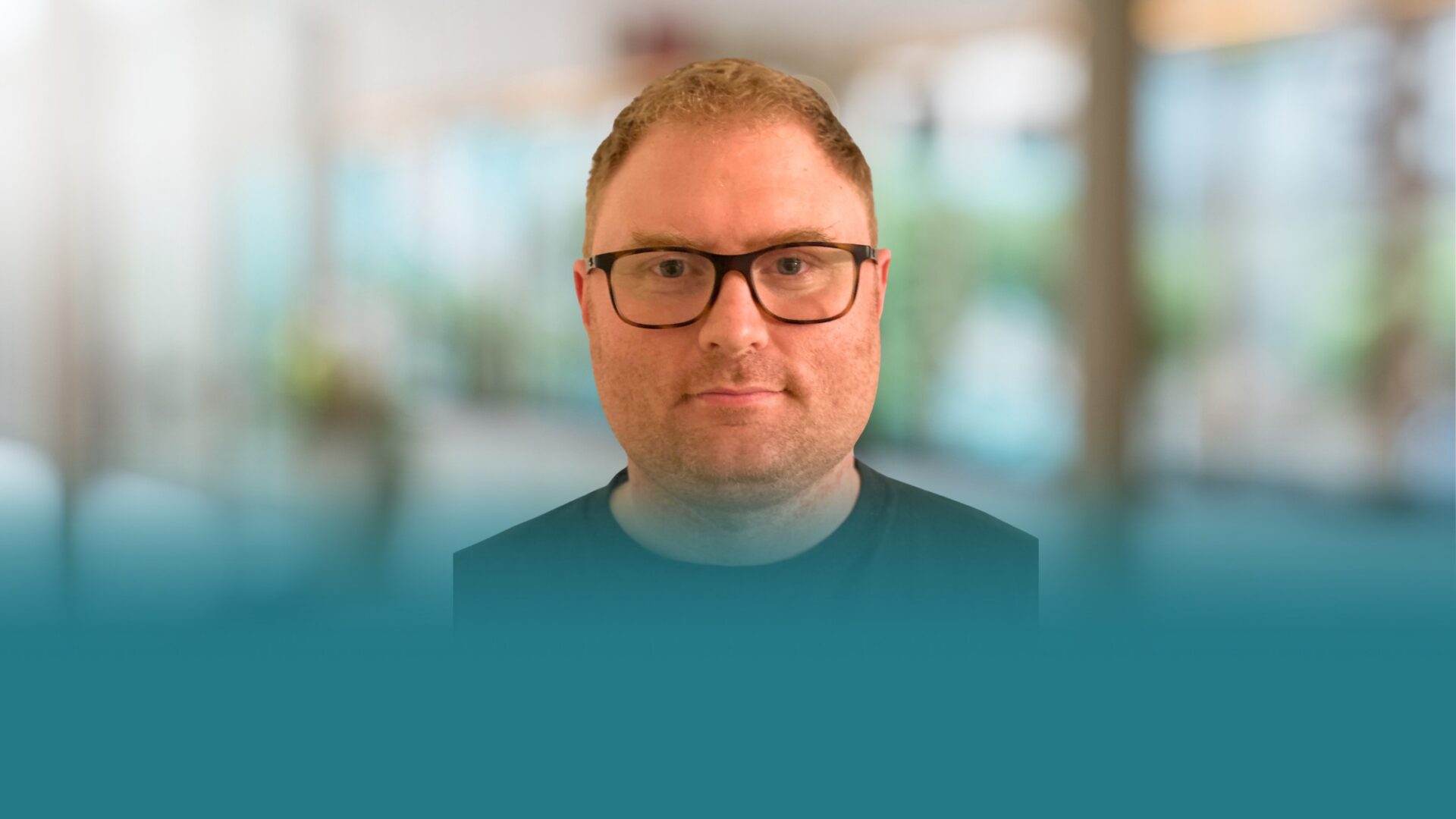
When David Nye was eight years old, he did what many future technologists do: he broke a computer. The difference was that he was expected to fix it.
What began as childhood curiosity became a lifelong pattern—break things, understand them, learn how they work, and build them back better. Long before cloud computing, ERP transformations, architecture leadership and conference stages, David was simply fascinated by what technology could do.
That curiosity would eventually take him from help desks and desktop support roles to some of Australia's largest SAP implementations, a decade at Accenture, and ultimately AWS during one of the most significant technology shifts of our time.
Yet as David reflects on his journey, the story isn't really about titles or promotions. It's about patience, people, and staying curious enough to keep learning when the next wave arrives.
From IT Support to ERP
Like many people in the ERP community, David didn't begin with a carefully mapped-out career plan. After studying Computer Science at university, he worked across a range of IT roles, including service support, system administration and desktop fleet management. It was valuable experience, but it wasn't until he joined a global ERP consolidation project for a mining company that something clicked.
"I was brought in there as a junior doing LSMW conversions with an SAP migration," he recalls. What immediately captured his attention wasn't just the technology itself, but the scale and significance of the systems.
"What attracted me was how complicated these systems were and how important they were to the companies that we're implementing them for."
The experience left such an impression that David returned to university to undertake postgraduate ERP studies. Looking back, it was one of those moments that quietly changed the direction of his career. What started as a technical assignment became a genuine passion for enterprise technology and the complex business challenges it helps solve.
Learning Confidence Along the Way
Today, David is recognised as an architecture leader, cloud specialist and respected community voice. But confidence wasn't something that appeared overnight. In fact, he openly admits that imposter syndrome still surfaces from time to time.
"I think it's honest that everybody feels like an imposter sometimes in some situations."
Early in his consulting career, David found himself working on large, complex programs surrounded by highly experienced professionals. The challenge wasn't simply solving technical problems; it was learning how to navigate uncertainty, ask better questions and build the confidence to contribute in rooms full of experts.
Over time, he learned that technical knowledge alone wasn't enough. Success often depended on knowing where to find help and having the confidence to ask for it.
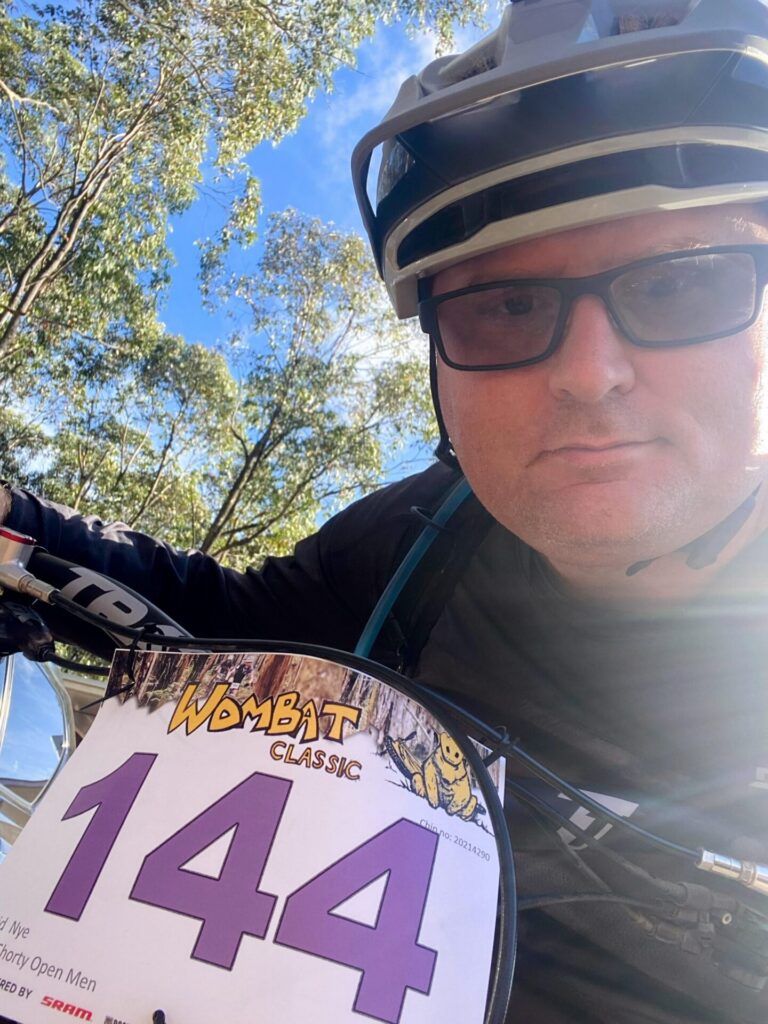
"It definitely took a while to build the confidence and it took a while to build that right support network around you."
That lesson would become increasingly important throughout his career. Looking back on years of demanding projects, travel and tight deadlines, David believes many professionals make the mistake of trying to carry every challenge themselves. His advice today is simple: don't.
"I've seen too many people and too many colleagues go through hard times where I think if you share that problem, you'll get support."
The willingness to ask for help, rather than internalise pressure, has become one of the defining principles of how he leads and mentors others.
The Move That Reignited His Curiosity
After spending ten years at Accenture, David faced one of the biggest decisions of his professional life. Leaving wasn't easy. The organisation had played a significant role in his development, and many of the relationships he built there remain important today.
"It was a really hard decision to leave a place that you've been for 10 years."
Yet an opportunity emerged that aligned perfectly with the same curiosity that first drew him to computers as a child. Joining AWS wasn't about chasing a title. It was about getting closer to the technology itself and understanding how the future was being built.
"I had an opportunity present itself to me. It was very much being a technologist."
At AWS, David found himself immersed in an organisation driven by innovation. First, he experienced the continued evolution of cloud computing from the inside. Now, he finds himself at the centre of another transformational shift.
"Now I'm lucky enough to be here during the AI wave as well. It feels like I'm at ground zero."
For someone who has always been fascinated by how technology works, there are few places more exciting to be.
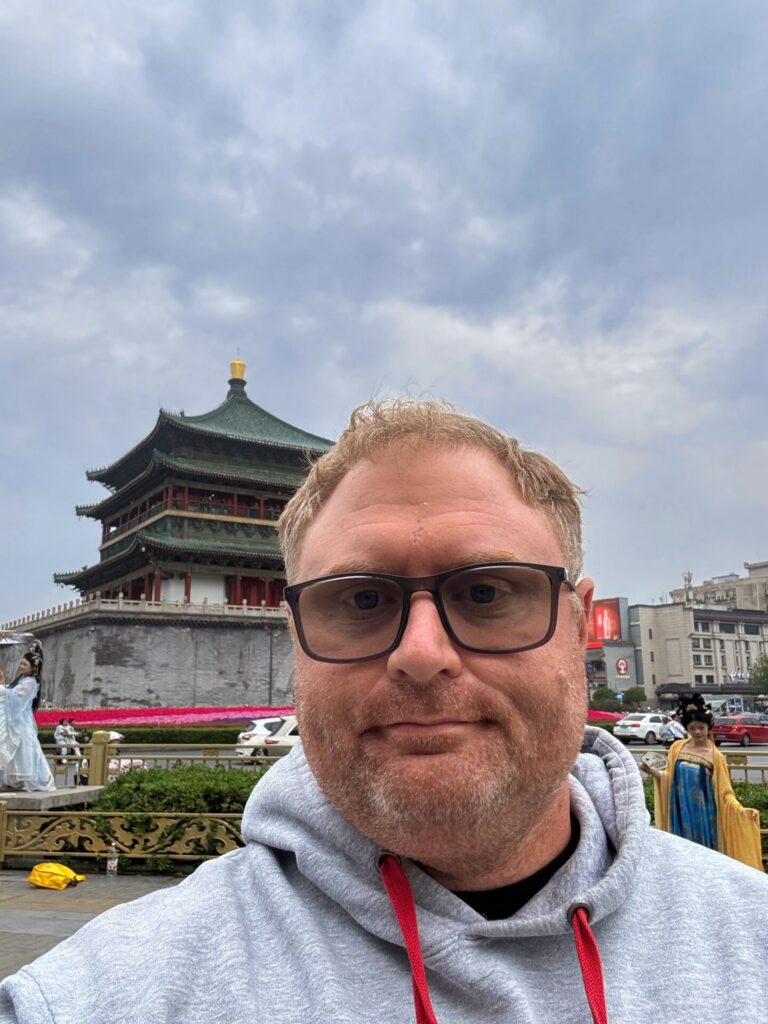
Finding His Voice
Although many people know David through conference stages and community events today, public speaking wasn't something he naturally gravitated towards. Like many skills, it developed gradually.
The journey began during university, where he worked as a tutor while completing his honours degree. Later came opportunities to present internally, share knowledge with colleagues and contribute at industry events. Over time, those experiences snowballed into something much bigger.
"I do really enjoy getting up in front of a group and telling a story and sharing some of my knowledge and my expertise."
That doesn't mean the nerves have disappeared.
"There are definitely butterflies there."
For David, public speaking isn't about being fearless. It's about being willing to start before you feel completely ready. That's why he encourages others to begin small, share their experiences and look for opportunities to contribute.
Today, through SAP Inside Track Melbourne, he actively helps create those opportunities for the next generation of speakers and community contributors.
The Lessons Hidden Inside Pressure
Anyone who has worked on ERP programs knows they can be intense. Long hours, travel, high expectations and critical deadlines often come with the territory. David has experienced all of it.
He recalls projects involving fourteen-hour days, difficult cutovers and one particularly memorable disaster recovery event where he remained awake for almost forty hours while helping bring a production system back online. At the time, those moments felt overwhelming. Looking back, they became some of the most valuable lessons of his career.
"I think everything's solvable. You just need to sit down and look at your options and map out the best possible way forward."
Those experiences taught him the importance of maintaining a clear head under pressure, involving others in difficult decisions and resisting the temptation to panic when challenges arise. Often, the path forward becomes visible only when you pause long enough to assess the situation properly.
Redefining Success
Like many ambitious professionals, David once measured success by promotions, titles and career progression. Early in his career, the next role always seemed like the most important destination.
Over time, that perspective changed.
Today, success is less about climbing the ladder and more about the quality of the people around him, the relationships he builds and the problems he gets to solve. Rather than focusing solely on the next promotion, he finds greater fulfilment in meaningful work and strong professional networks.
"I'm more interested in building the right network both within and outside my organisation."
It's a subtle shift, but an important one. The ladder still exists, but it is no longer the sole measure of achievement.
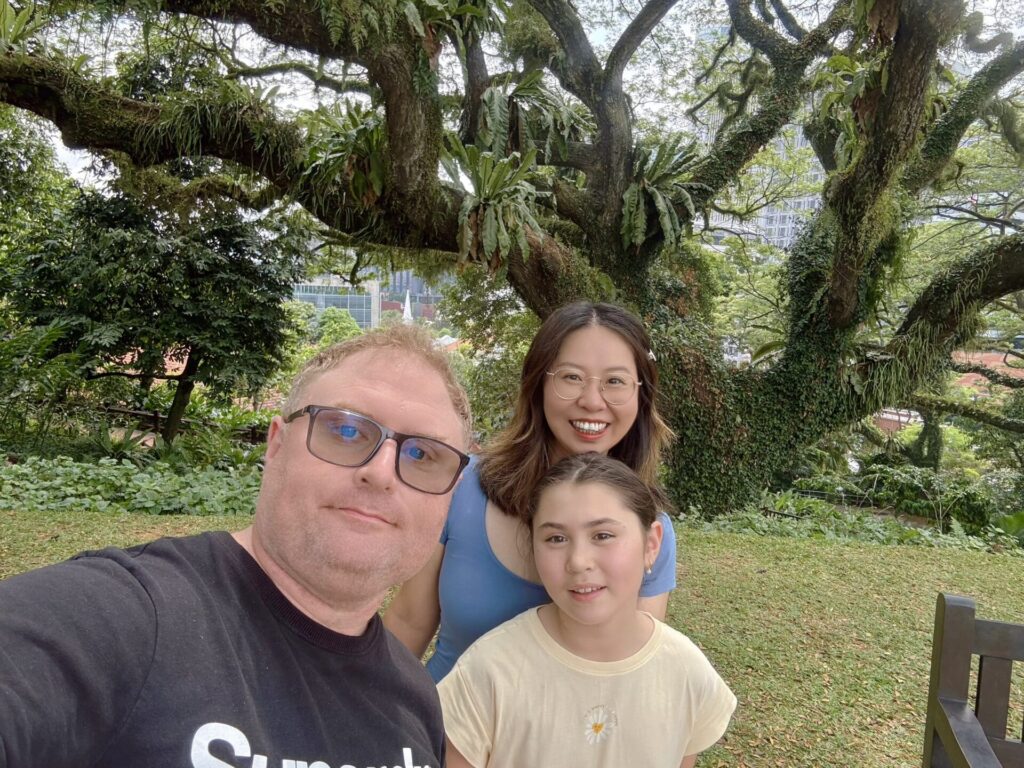
Riding the AI Wave
When the conversation turns to the future, one topic consistently captures David's attention: artificial intelligence.
Not because it's the latest trend, but because he believes it will fundamentally change the way people work across industries. In his view, we're only at the beginning of what AI will eventually become.
"We're really just right at the start of the AI wave."
His advice for anyone entering ERP or technology today is to get involved early. Experiment. Explore. Learn by doing. The biggest opportunities won't come from simply automating existing processes; they'll come from entirely new ways of solving problems.
"It's not about doing what I did yesterday, today, but with AI. It's about doing things that you never thought about doing before."
For someone who has spent a lifetime embracing new technology, AI feels less like a disruption and more like the next great adventure.
A Marathon, Not a Sprint
Towards the end of our conversation, David was asked what advice he would give his younger self. His answer was immediate.
"Be patient."
It's a lesson earned through decades of experience, career pivots, difficult projects and constant technological change. Looking back, he realises many of the things he once rushed towards would have arrived in time anyway.
Today, he hopes others entering the ERP industry understand that meaningful careers are built gradually. Success doesn't happen overnight, and there is value in enjoying the journey while it unfolds.
If there's one message David hopes people take away from his story, it's this: stay curious, keep learning, ask for help when you need it, and trust the process.
Because in technology, as in life, it's rarely a sprint. It's a marathon.
Connect with David on LinkedIn


